Lawn Care Services: Get a Lush, Green Yard Year-Round
Lawn care providers offer critical expertise in sustaining a lush, green yard year-round. These professionals review various particulars, such as soil type and local climate, to construct tailored upkeep plans. Their concentration on eco-consciousness and quality equipment improves both the visual quality and value of residential properties. Recognizing the nuances of lawn care can lead to considered decisions. Yet, many homeowners often fail to notice critical elements that can impact their outdoor space.
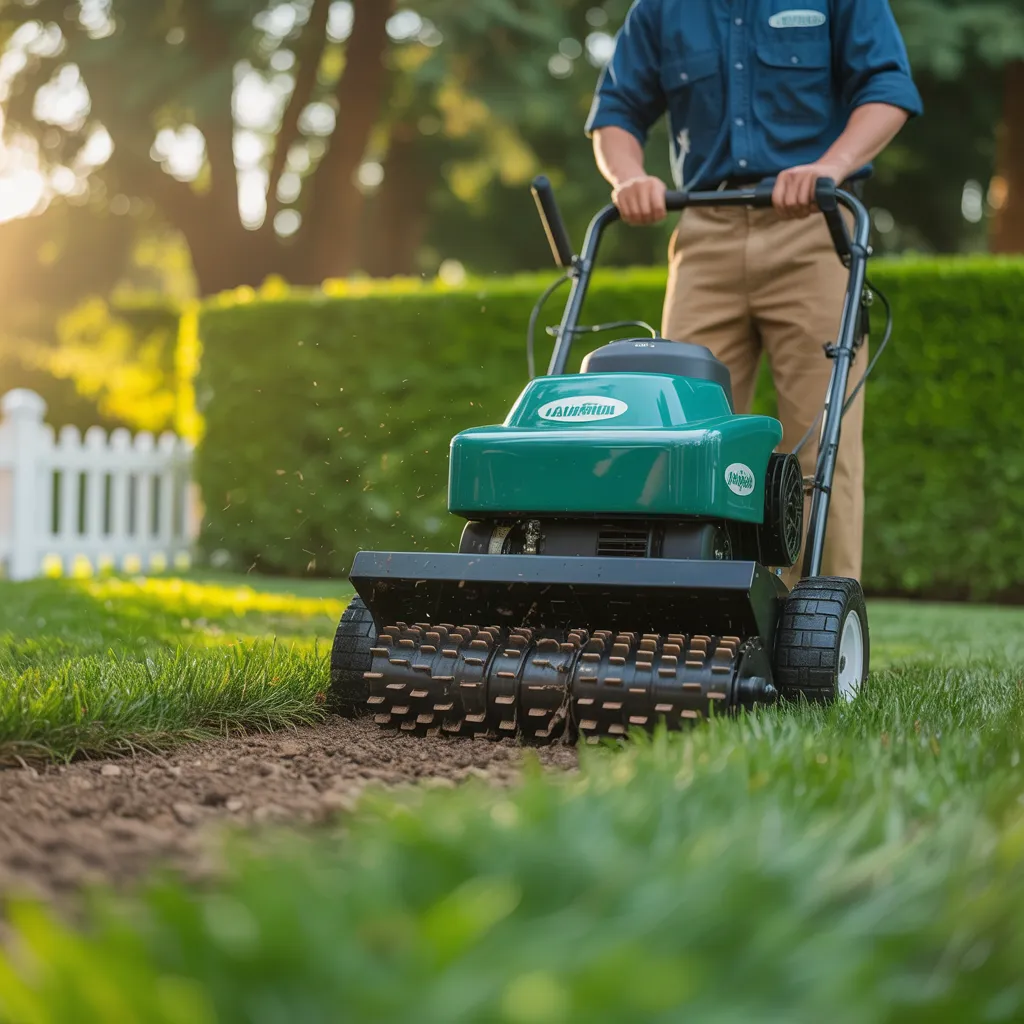
What Advantages Does Expert Lawn Care Provide?
Professional lawn care services offer numerous advantages that improve both the visual appearance and condition of residential and commercial properties. These solutions deliver professional expertise in turf management, ensuring that lawns receive the suitable treatments for optimal development. A well-maintained lawn increases property value and establishes a welcoming atmosphere, rendering it crucial for homeowners and businesses alike.
Also, experienced turf services provides customized maintenance plans that address unique soil structures, grass selections, and regional climate needs. This custom approach avoids prevalent difficulties including destructive pests, problematic weeds, and harmful diseases. Furthermore, such solutions typically implement high-quality equipment and eco-friendly products, boosting ecological responsibility while obtaining superior performance. Periodic attention also economizes time and effort for residence proprietors, enabling them to prioritize remaining goals. Ultimately, investing in professional lawn care not only strengthens a flourishing outdoor area but also promotes a healthier environment.
How Greatly Do Seasonal Changes Determine Turf Care Practices?
Periodic changes greatly influence turf maintenance routines. Fluctuations in precipitation and temperature levels directly influence grass development and upkeep needs. Furthermore, effective lawn care requires tailored nutrient application methods to correspond to these seasonal changes.
Temperature Shifts Influence Growth
As temperatures fluctuate throughout the year, the development cycles of grass and other plants in lawns are significantly affected. In spring, warmer temperatures stimulate growth, prompting grass to green up and thrive. Conversely, summer heat can cause stress, resulting in some grass types to enter dormancy, resulting in a brownish appearance. During autumn, cooler temperatures allow for recovery and growth before winter dormancy sets in. Winter's low temperatures halt growth altogether, requiring careful monitoring to prevent damage from frost. Understanding these temperature variations is crucial for proper lawn care, as they determine appropriate fertilization, watering, and mowing practices. By adapting to seasonal changes, homeowners can maintain a healthy, vibrant lawn year-round.
Rain Patterns and Maintenance
While rainfall trends greatly influence grass maintenance, understanding their variability is vital for ideal upkeep. Varying seasonal periods bring different precipitation levels, affecting soil moisture and turf development. In spring, regular precipitation can promote quick expansion, necessitating frequent mowing and correct watering practices. Conversely, summer may bring dry spells, demanding supplemental watering to prevent water deprivation. During fall, varying rain patterns can affect leaf litter decomposition, affecting nutrient availability. Winter poses its own difficulties, as frozen ground can limit water absorption, making it essential to ready the lawn before the cold sets in. By modifying care routines to correspond to precipitation changes, homeowners can guarantee a thriving, lush turf throughout the year.
Seasonal Nutrient Techniques Demanded
A strategically planned feeding routine can significantly improve turf condition throughout the year. Weather variations considerably impact nutritional needs, necessitating customized strategies. In spring, quick-release fertilizers promote vigorous development as the grass emerges from dormancy. Late spring may benefit from slow-release formulas to maintain strength during warmer months.
When summer warmth peaks, nitrogen-heavy treatments can strengthen resistance to stress. In fall, a balanced fertilizer readies the lawn for winter, promoting root development and nutrient storage. Winter treatments, though rarely performed, can maintain soil health.
Twelve-Month Lawn Care Options
Year-round lawn care services ensure that a property remains lush and thriving through every season. These comprehensive plans encompass a range of vital treatments, including regular cutting, aeration, and weed management, customized to meet the specific needs of different climates and grass types. By establishing a regular routine, lawn care experts can effectively prevent issues such as pests, diseases, and nutrient deficiencies that often arise throughout the year.
During the springtime, treatments center on fertilization and rejuvenation, whereas in summer, the priority shifts to proper irrigation and pest management. Autumn care encompasses overseeding and preparing the lawn for winter, ensuring resilience against cold temperatures. In the winter months, specialized services may include snow removal and shielding the lawn from extreme weather. Ultimately, year-round lawn care services give homeowners the peace of mind that their outdoor spaces will thrive, improving the general attractiveness and market value of the property.
Guide to Selecting the Ideal Lawn Care Solution
How can homeowners select the best grass maintenance program for their needs? To begin, they should examine their lawn's specific requirements, such as area, turf variety, and existing issues including insects or fungal conditions. Comprehending local climate conditions is also vital, as it affects the kind of maintenance needed year-round.
Next, homeowners should assess offered options, such as fertilization, weed management, and soil aeration. They might think about a full-service plan that includes all aspects or choose a more customized approach based on their lawn's unique needs.
Furthermore, assessing customer feedback and requesting referrals can give clarity regarding the dependability and efficiency of multiple companies.
Finally, financial restrictions should be taken into account. Homeowners should look for a plan that achieves equilibrium between quality services and affordability, making sure they get ideal care without exceeding their budget. This careful approach will result in a vibrant, healthy lawn year-round.
Avoiding Common Turf Maintenance Mistakes
Skipping consistent grass care can bring about numerous troubles that weaken a lawn's vitality and presentation. One frequent problem is excessive watering, which can deprive roots of oxygen and promote disease development. Inversely, minimal watering can create brown, parched sections. Additionally, plenty of property owners fail to mow properly at the suitable height, which can stress grass plants and facilitate weed growth. Operating dull equipment intensifies this situation, ripping turf instead of slicing cleanly.
Another common error is applying plant nutrients incorrectly. Excessive fertilization can lead to nutrient loss and damage local ecosystems. Furthermore, neglecting soil health, such as pH levels and compaction, can impede lawn development. Ultimately, neglecting seasonal variations in lawn care needs can stop peak health. By being mindful of these frequent mistakes, homeowners can ensure their lawns remain healthy and green throughout the year.
DIY Turf Care Pointers Between Certified Services
Building a robust yard requires ongoing attention, especially between expert appointments. Property owners can deploy several do-it-yourself tips to assure their lawns stay vibrant. First, regular grass cutting is essential; cutting grass at the right level stimulates more extensive root expansion and reduces weed spread. In addition, maintaining sharp mower edges is critical for neat cuts.
Watering methods also are vital. It is preferable to water thoroughly but infrequently, allowing the soil to hold moisture while preventing surface runoff. Early morning is the ideal time for watering, cutting down on evaporation.
Fertilization must be executed prudently. Utilizing slow-release fertilizer can offer essential nutrients without saturating the grass. Homeowners should also look for pest and disease concerns, addressing problems immediately to minimize damage.
Finally, aerating the lawn, particularly in active growth periods, enables better air and nutrient penetration, encouraging a lush and healthy appearance. Applying these check article techniques can significantly improve lawn health during intervals of expert care.
Frequently Common Questions
How Often Ought to I Wet My Lawn Over the course of Summer?
Summertime lawn care, grass typically needs irrigation 2-3 times per week. Each watering should furnish one inch of water, making certain adequate root penetration while avoiding over-saturation that causes fungal growth.
What Types of Grass Are Best for My Region?
Cool-season grasses such as Kentucky bluegrass and fescue do well in northern regions, while warm-season varieties like Bermuda and zoysia are best suited for southern climates. Choosing the right type bolsters lawn health and resilience.
How Landscaping Companies Can Support With Pest Control?
Yes, lawn care services can aid in pest control. They administer treatments to control insects effectively, guaranteeing the health of the lawn while preventing destruction. Professional expertise helps maintain a balanced environment within the yard.
How do I identify when my lawn is in need of fertilizer?
Indicators demonstrating a lawn demands fertilization involve yellowing grass, poor growth, and sparse areas. Soil testing can also reveal nutrient deficiencies. Monitoring these factors helps ascertain the necessity for fertilization to strengthen healthy grass development.
What Equipment Do Professionals Use for Lawn Care?
Professionals leverage a broad range of equipment for lawn maintenance, including mowers, trimmers, blowers, aerators, and sprayers. Each tool fulfills specific functions, guaranteeing efficient upkeep and fostering healthy development throughout the seasons.